5 Intriguing Senior Signs for the Cardinals in the 2026 MLB Draft
Credit: Mercer Baseball
Every draft, several intriguing senior signs come off the board in the middle rounds to mainly help teams save money. With little option to return to college, these players rarely have leverage, making them some of the easiest to sign. The Cardinals selected both Ty Van Dyke and Kaden Echeman in last year's draft as senior signs, and Van Dyke especially is proving to be an effective starter in the lower minors with intriguing enough stuff to profile as a potential MLB arm one day. Now let's get into 5 seniors I’m intrigued by this draft cycle.
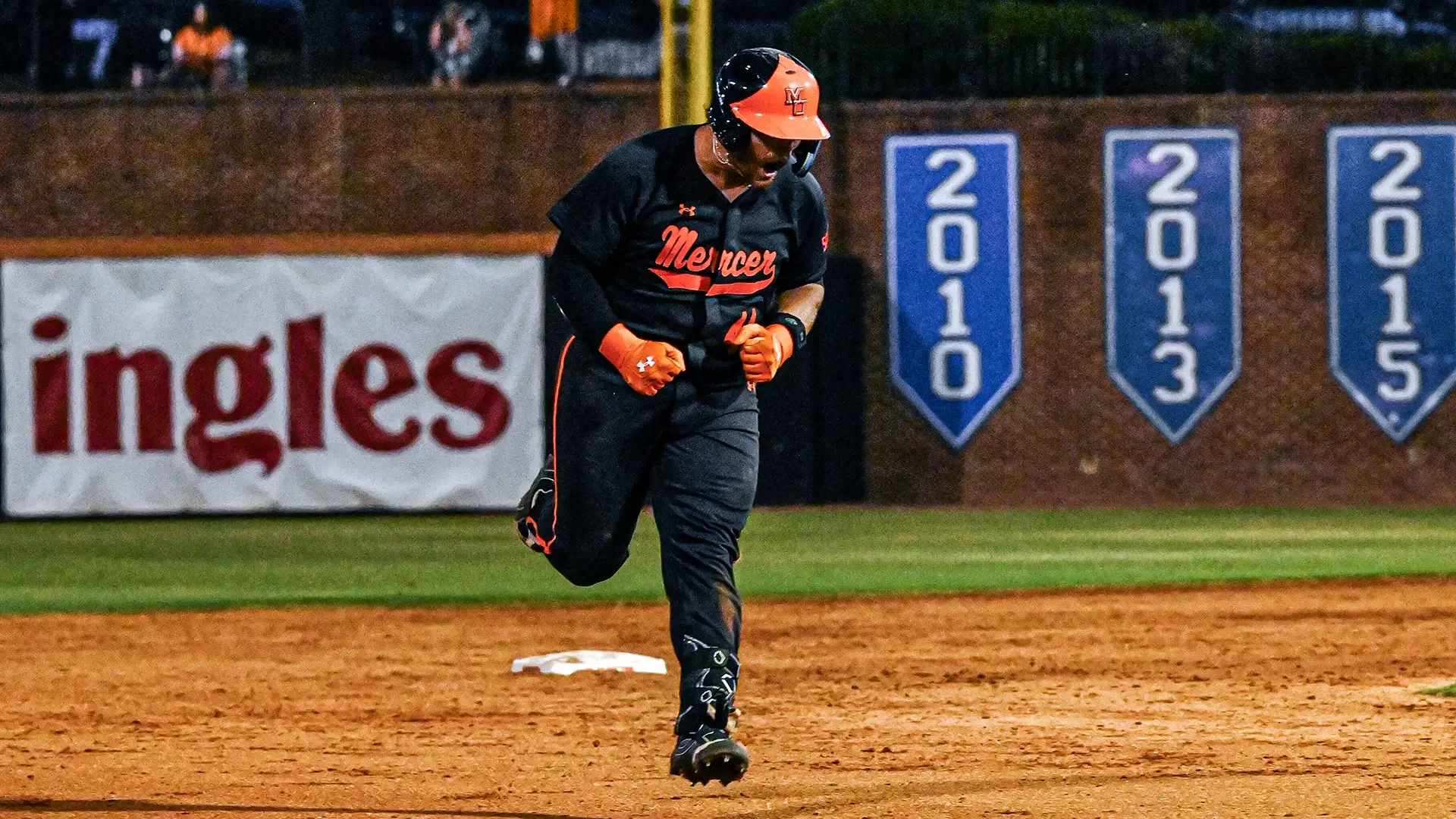
OF Chris Katz (Mercer)
One of the most complete bats in the country, Katz finally put it all together at Mercer this season, slashing .386/.510/.791 for a 1.301 OPS with 23 homers, 18 doubles, and 74 RBI in 59 games for the Bears. To combine with this elite production, he also posted only a 9.1% strikeout rate to a 17.8% walk rate. While he is already 23 years old, the results this year were outstanding and hardly matched by another player in the country.
Katz, standing at 6’0, 210 pounds, employs a super simple swing from the right side of the plate, incorporating just a simple shin-high leg kick before getting his foot down and crushing baseballs. The underlying stats back up what he did at the plate: his 90.7 mph average exit velocity ranked in the 87th percentile, while both his 106.9 EV 90 and 114.6 mph max EV both rank in the 92nd percentile or higher. He does this while making really good swing decisions with a 67% zone-swing percentage while only chasing 15.2% of the time; he also makes plenty of contact in-zone with a 91.4% IZ-contact percentage. Katz's 14.4% whiff rate ranked in the 89th percentile in D1 baseball. He also hits the ball in the air a lot, with only a 26.1% ground ball rate on the season. He basically did everything well this season offensively in the SOCON, and we will see how much of that translates to pro ball.
Defensively, Katz mainly manned left field for the Bears, where he doesn’t appear to be the most graceful or gifted fielder, likely grading out as below average, but he may be able to hold down a corner with more development. If not, he likely ends up as a 1B/DH type, where he could profile well if he continues to hit the ball as hard as he does consistently.
Overall, Katz, like many senior signs, could allow the Cardinals in the middle-late rounds to pick up a solid baseball player while saving some money for a second or third high schooler or lottery ticket prospect.
1B Michael Anderson (Penn State)
One of the better Power 4 bats in the country, Michael Anderson had a huge year for the Nittany Lions, posting a 171 WRC+ with a .358/.470/.742 slash with 20 homers, 11 doubles, and 53 RBIs in 50 games. He balanced his power with strikeouts well, posting a 12.9% strikeout rate to a 9.9% walk rate. Anderson earned both Rawlings First-Team All-American honors and was named to the Big Ten First Team.
Anderson swings from the right side of the plate. He sets up with his hands above his head and has the bat pointed straight up. He then uses a simple step (somewhat similar to Joshua Baez) to get his lower body into hitting position before his hands move through the zone, quickly generating power, which was in the top echelon of college baseball. Anderson’s average exit velocity of 95.2 mph ranked in the 99th percentile amongst all hitters, while his 110.4 mph 90th percentile EV also ranked in the 99th percentile. His 54.6% hard-hit rate also was in the 95th percentile amongst all D1 players. Anderson also did a pretty solid job of pulling the ball when he did make solid contact, with a 43.8% hard-hit pull rate. With these extreme power numbers comes some tradeoff with contact, with Anderson only running an 83% IZ-contact rate, which, while below average, could be good enough for his power to play at the next level if that number sticks. His whiff rate of 20.9% ranks in the 58th percentile, which is solid considering his power, and he makes enough contact out of zone (68.9%) for that not to be too much of a concern. If he can cut down on a 25.1% chase rate, this could turn into a very fun hitting profile long-term.
Defensively, Anderson doesn’t have much of a home, taking up the DH for Penn State the majority of the season; he can play 1B and maybe a corner outfield spot in an absolute pinch, but keeping him in the 1B/DH roles is much preferred for any team that decides to select him. One thing that is on Anderson’s side is that he is a younger senior, just turning 22 in May of this year.
LHP Beau Bryans (Jacksonville State)
A favorite of our CardinalsProspects.com writing team, Beau Bryans had an excellent year as a starter for Jax State, posting a 3.66 ERA across 66.1 innings with 78 strikeouts and 43 walks. Bryans ranked top 10 in Conference USA in strikeout percentage, batting average against, and ERA.
What makes Bryans unique is the fact that he has one of the lowest release heights in all of college baseball at an extremely low 4.8 ft release height on his fastball. He averages 95 mph on the pitch in a starter's role, which allows the pitch to be effective, producing a 20.2% whiff rate. His best secondary is a high 80s sweeper, which averaged 9.4 inches of horizontal sweep, producing an impressive 56.5% whiff rate, making it one of the best sweepers in the country. He also mixed in a solid high 80s changeup, which got 0.2 inches of vertical break to 18.5 inches of horizontal movement, producing a 37.5% whiff rate. The concern with Bryans will be whether he can throw enough strikes to be effective, as only his fastball had a zone rate above 60%, with his sweeper and changeup being zoned at 55% or less. If he can get to more strikes, he may have a chance to be a starter in pro ball.
Bryans has some very interesting characteristics, which make him somewhat similar to former Cardinals’ 1st-round pick Cooper Hjerpe, though Bryans, already being 22 and closing in on 23 a few months after the draft, makes him more of a 5th-10th-round talent vs. a first-day type of pick. Considering the Cardinals have picked similar characteristics in the past, don’t be surprised if they select Bryans next Sunday.
LHP Wyatt Danilowicz (Louisville)
I’m taking a bit of a different approach on this one. If you look at Danilowicz's baseline stats, you likely won’t walk away too impressed. He posted a 6.00 ERA in 69 innings, striking out 84 batters while walking 32 as a weekend starter for the Cardinals, but what has me including him on this list isn’t his results, but his stuff, which impressed me and is enough for me to include him on this list.
His fastball averaged 20.6 inches of IVB from a 5.8 release height, which allowed the pitch to generate a very impressive 25.9% whiff rate despite only averaging around 90 mph on the pitch. His second-most-used pitch is a low 80s slider, which averaged 4 inches of horizontal break, producing a 38.3% whiff rate to go along with an impressive 38.9% chase rate on the pitch. He also features a high 70s curveball, which he uses around 15% of the time. The pitch gets 19 inches of vertical drop, which ranks amongst the 99th percentile of all curveballs in D1 baseball. With that amount of drop, it should be no surprise that the pitch generated a 41.5% whiff rate. He also mixed in a changeup, which he used under 10% of the time; the pitch averaged 85 mph with 15 inches of horizontal break and will likely need some work in pro ball to be effective. Similar to Bryans, the question with Danilowicz is whether he can get to enough command to be a good pitcher. While his 10.2% walk rate wasn’t bad, he only threw his fastball and slider for strikes consistently, with his curveball and changeup lagging far behind.
Danilowicz's combo of stuff and ability to give starters length, combined with an impressive 7-inning, 2-hit, 11-strikeout performance against MCWS runner-up North Carolina, makes him a shot worth taking in the middle to late rounds of the draft. If a development team thinks they can get him to more velocity, he could be a quick riser through a farm system.
RHP Ben Davis (Mississippi State)
One of the higher-quality senior pitchers in this class, Ben Davis has been a consistent part of the Mississippi State bullpen over the past 2 seasons, posting a 3.71 ERA across 104.1 innings, striking out 118 batters. His command saw a step forward this season as he went from a 9.4% walk rate in 2025 to a very impressive 6.8% this season while holding opponents to a .232 average. Davis gave the Bulldogs length out of the bullpen, going multiple innings in 19 of his 26 appearances this season, including four appearances of 3 or more innings.
Davis features an intriguing 4-pitch arsenal, starting with his sinker, which averaged 95.8 mph from a 5.7 ft release height, getting 18.7 inches of horizontal break. The pitch only produced a 19.7% whiff rate (76th percentile for sinkers) but was very good at limiting damage with a .320 xwOBA against the pitch. His most-used secondary was a low 90s cutter, which averaged 0.8 inches of horizontal break; the pitch missed bats at a very impressive 41.9% clip. He also mixed in a slider, which looks pretty similar to his cutter, producing a 46.3% chase rate, which ranked in the 99th percentile, while producing a 35.4% whiff rate. Finally, he flashed a sweeper with 9.9 inches of horizontal glove-side break, and in a small sample size (6.8% usage), the pitch was great, producing a 53.6% whiff rate while getting batters to chase 38.9% of the time. Unlike the last two pitchers in this article, Davis has no trouble throwing his pitches for strikes, with all four of his pitches having a zone rate over 60%.
Davis has a chance to go higher than most names on this list. His track record over the past seasons against SEC competition, with consistent results and good stuff that has a good chance at getting pro hitters out, has him solidly in the early Day 2 or maybe even late Day 1 category for this year's draft. His strike-throwing ability could intrigue some teams to try him as a starter in pro ball, though he likely ends up more as a productive reliever. He just turned 22 a couple of days ago as I am writing this article, so he is by far the youngest on this list.