
Lockout Looming? Key Topics Ahead of the Next Collective Bargaining Agreement
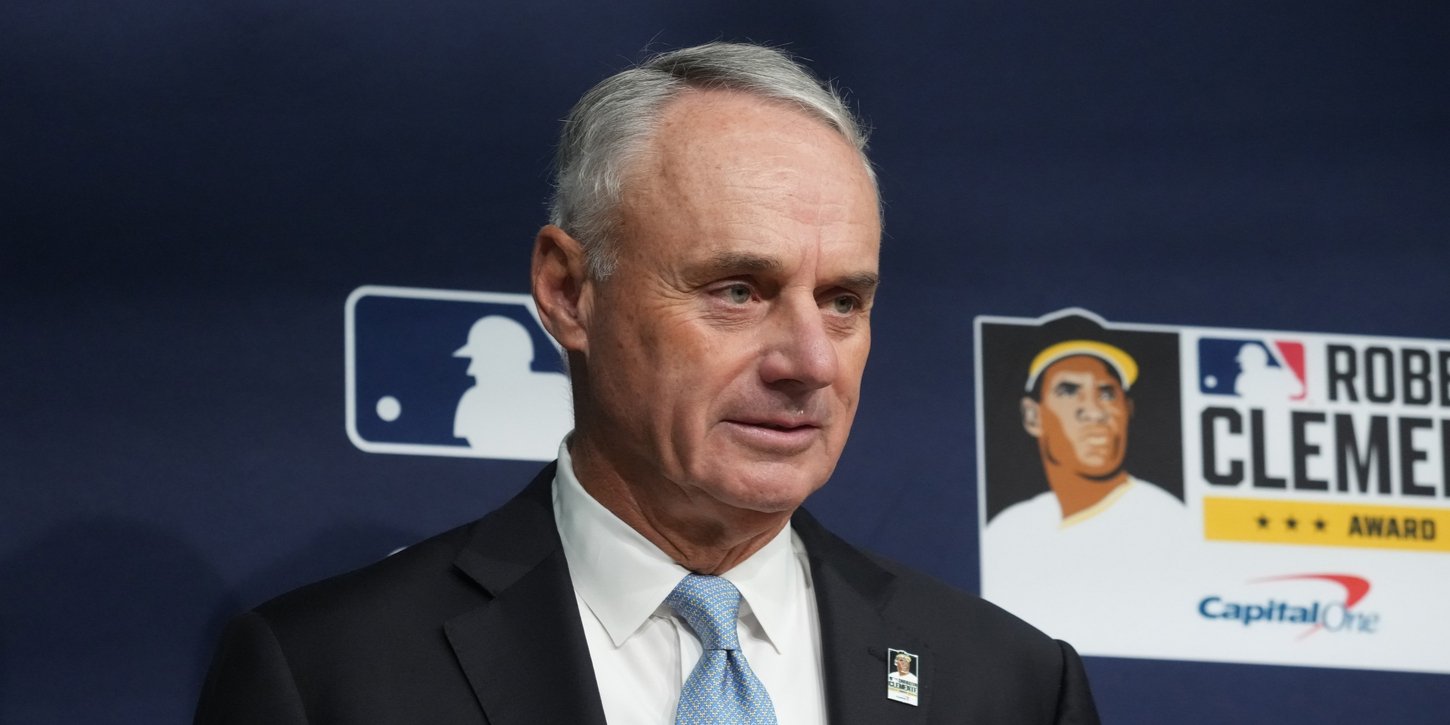
A lockout is looming, and there are quite a few points of contention that will be discussed. I want to break down some of the points that could lead to a stoppage in work and what the likelihood of them happening could be as we approach the 2027 CBA negotiations.
Salary cap
This first topic is the one that’s catching the most headlines: will the MLB adopt a salary cap? Most major sports have one, and there is increasing disparity between the haves and have-nots in the league. This is something the owners want, and the players are firmly against.
There is a point to be made that smaller-market teams cannot compete financially with the behemoths like the Dodgers. It’s not a simple case either. It’s easy to say, “Other owners should just spend more money.” It’s a great thought and something that, in theory, is correct. However, we are approaching spending amounts that these teams cannot match. Revenue structures are different for different teams, and some teams will be unable to maintain competitive balance.
Now, we shouldn’t discredit the thought that owners should spend more, and that comes to the next topic that could be discussed in negotiations: a salary floor. A salary cap will be opposed heavily by the players' union; could a salary floor be a middle ground? Obviously, the owners would ask, “What do we get for a salary floor?” and I think there are two ways you could address it.
One would be a hard salary cap. This allows for more spending parity but also hurts the players in terms of maximum potential earnings. The second option, which could be possible, is a salary floor in exchange for even more stringent luxury taxes. It's hard to imagine a salary cap being agreed upon, but it’s certainly possible. If the players avoid a cap altogether, there may be some other topics that are used as leverage.
Minor leagues/draft structure
If the owners are not given a salary cap, what else could they target to save money? An easy answer is the current minor league system and the draft.
We traditionally see minor league talent rise from A to High-A to AA and then to AAA before reaching the majors. Ownership may suggest removing A-ball altogether. If this were to happen, what would happen to all the minor league talent? What happens to the MLB draft? It would be likely that they would reduce the number of rounds in the draft.
Overall, this saves owners money in a multitude of ways, but robs both players and fans of critical development time. Players will spend time in the complex league. High school draft picks would become very rare, and an organization would have to start them against high-level competition or store them away for a year. Likewise, this impacts international free agents in the same way.
International draft and qualifying offers
Speaking of international free agents, if owners had their way, they would be a thing of the past. An international draft has been something owners have been pushing for a long time now. Once again, players oppose it. This is another potential cap on earnings for prospects who have a very large likelihood of never getting a large contract again.
This remains unlikely, but maybe owners could offer a middle ground. One option in doing so would be the removal of a qualifying offer. A great example of how this hinders players can be seen in Zac Gallen’s current free agency market. Gallen has a draft pick attached to him and continues to stay on the market when he is a very solid option right now. Removing the draft pick compensation gets him a better deal and gets the deal done quicker.
Now, this fix would only help the top free agents on the market, so what else could the owners give up in exchange for an international draft? One option would be a restructuring in pay for young players. Right now, cost-controlled players make very little until they start reaching arbitration. Even then, they are almost certainly underpaid. If pay structures were reconstructed to pay young players based on performance, we could see the players' union become more agreeable to hits on potential international earnings.
The international draft always seems to be a talking point in negotiations with little give, so I think it’s unlikely we see any changes with this new CBA, but it’s certainly something to keep tabs on.
Other topics
Above, we covered some of the larger topics that are sure to be brought up in negotiations, but there are a couple of smaller ones I will keep my eye on. With the ABS system coming to the MLB in 2026, will we see discussions on further expansion? I think a lot of this discourse depends on how it is received by players and the public this season.
Finally, will we see draft picks become tradable? We currently see this in some fashion with compensation picks, but the ability to trade draft picks could dynamically alter the MLB and its entire draft process. I don’t think either of these topics will take precedence, but they are something to follow nonetheless.
Baseball has a lot of potential positive momentum going right now, and a stoppage of work could be catastrophic for the league in a time when TV deals are in chaos. Ultimately, I see a lockout looming, but I don’t see games being missed. It would be too harmful to the players and the owners. I think changes are coming, but it will be fascinating to see the extent of them this coming offseason.
